Record
Mining sites, operators, incidents, activities, testimonies: structured, dated, located.
A three-month challenge for civil society organisations in southern DRC.
Local organisations already produce valuable knowledge about the mining sector. The Challenge rewards those that organise it, keep control of it, and put it to work.
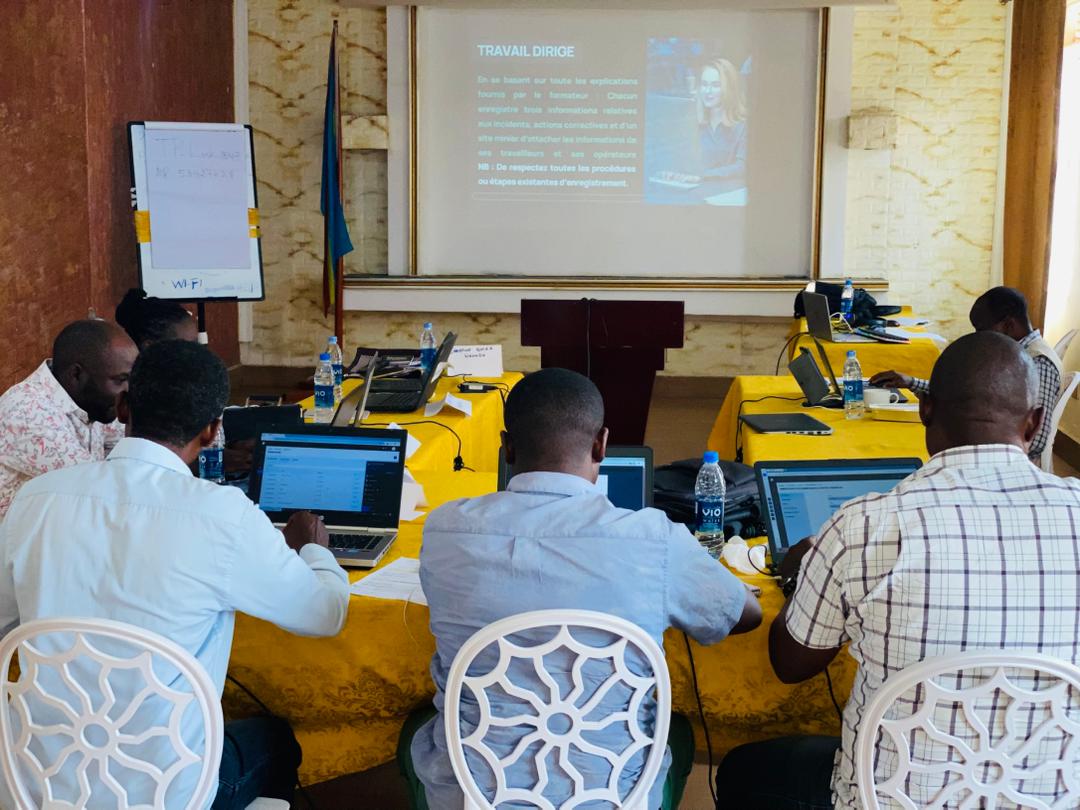
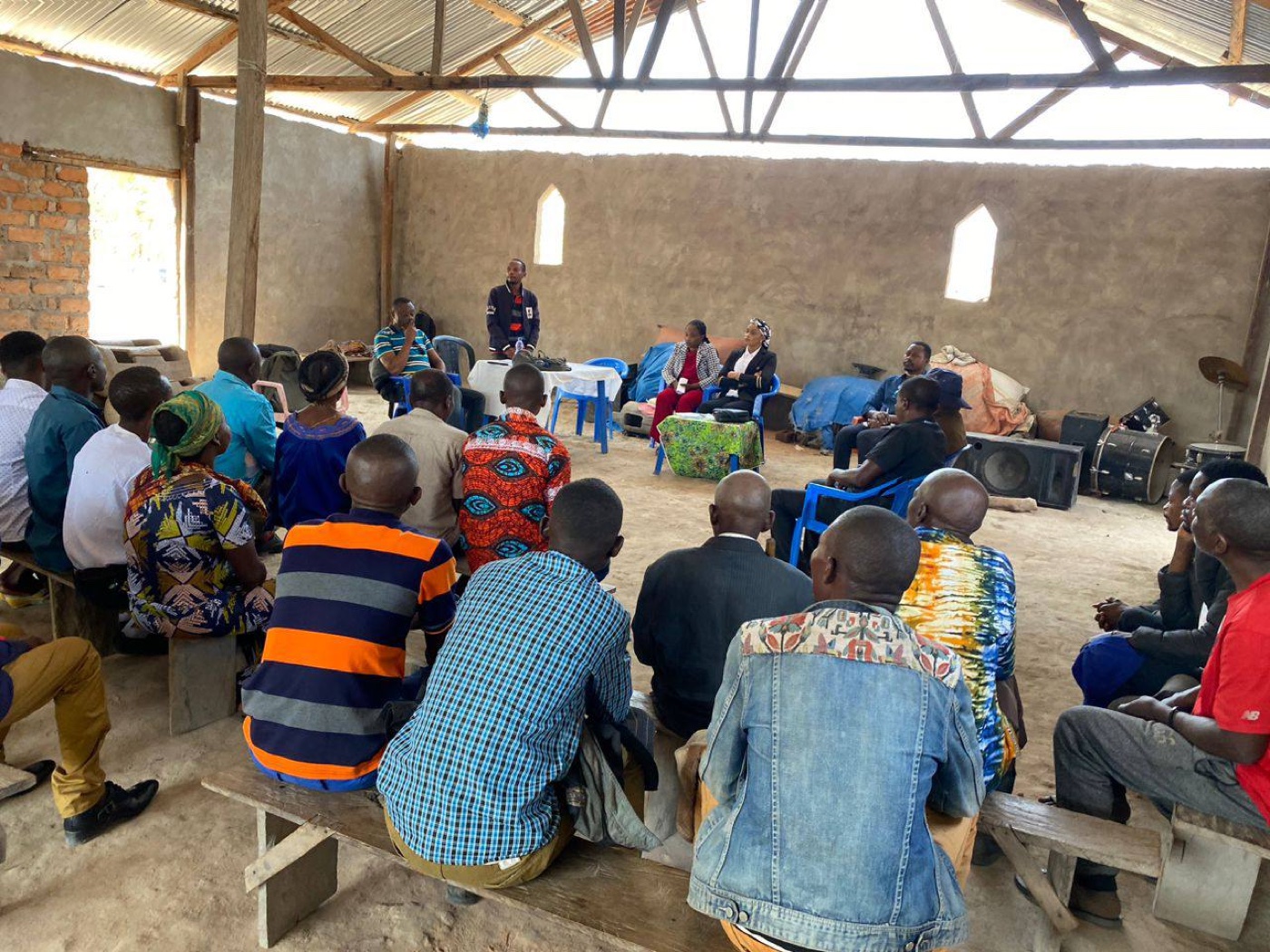
Whoever controls their information controls their capacity to decide, to negotiate, and to grow.
Every day, civil society organisations document what happens in and around mining sites: who operates where, what risks communities face, what is improving and what is not.
Today, most of that knowledge ends up in notebooks, scattered files, or reports written for one donor and never used again. Too often it is collected by outsiders, leaves the country, and creates value for everyone except the people who produced it.
Single-use digitisation. International programmes ask local organisations to feed tools they do not control, producing information they cannot reuse once the project ends.
No continuity. Donor-specific tools and short funding windows mean every project starts from zero, and every dataset dies with its grant.
Duplicated effort. The same organisations answer the same questionnaires for the next donor, the next partner, the next audit, because nothing is kept, recognised or reusable across projects.
Imported research. Resources are spent on international researchers flying in, when the knowledge already exists with the actors who live and work on site.
Invisible partners. Local organisations do the work, yet are rarely exposed, promoted or credited where donors and partners are looking.
Digital sovereignty. Information about Congolese communities should be held and governed by the people who produce it, not on servers and licences they have no say over.
The work local organisations do has value, and the information it produces is a resource in its own right. This Challenge is the first initiative in the sector to recognise that value in practice: an incentive programme, backed by EPRM, that rewards organisations for access to the knowledge they choose to share, on their own terms.
The Challenge is organised under the due diligence project funded by the European Partnership for Responsible Minerals (EPRM) and led by Hive and Datastake in partnership with La Sentinelle des Ressources Naturelles. It rewards the organisations that organise their information and choose to put it to work. Discover the project →
Nashiriki is a free digital platform. No registration fee, no obligation to share anything with anyone.
Mining sites, operators, incidents, activities, testimonies: structured, dated, located.
Information belongs to the organisation that records it, on its own account. It decides what is shared, with whom, and when.
Compile once, use many times: funding applications, reports, dialogue with the state and partners.
Registered organisations appear in the public partner search, where donors, banks and buyers look for credible local partners.
Banks already operate on this ecosystem through KOTA, the platform used for financial access and formalisation of artisanal mining actors. Banks and buyers may seek civil society perspectives on cooperatives, operators and mining zones. Organisations with well-organised information are the natural first port of call.
Discover KOTAAny civil society organisation registered on Nashiriki with a completed profile, a named focal point, and an accepted partnership with La Sentinelle, the project's local coordinator. Joining is free and takes one session.
Three months: July to September 2026 (dates to be confirmed).
Only information an organisation chooses to share into the project partnership with La Sentinelle counts towards the Challenge. Everything else recorded on Nashiriki remains private to its owner and does not affect participation either way.
Contributions are scored automatically by the platform, on quality rather than quantity: complete records score more than thin ones, documented and located records more than vague ones, and steady contribution over three months more than a last-week rush. La Sentinelle reviews results and adjudicates disputes.
Published in bands (leading, chasing, active, registered) so every organisation sees where it stands without anyone's detailed activity being exposed.
Duplicate or fabricated records lead to disqualification. Spot verification takes place during the Challenge.
Sensitive information. No organisation is ever asked to share sensitive details, for example concerning victims or protected persons, to take part. Sensitive material is best kept organised safely in the organisation's own account; that is exactly what the tool is for.
Each organisation reaching the month's activity threshold (a minimum level of quality contributions shared) receives an internet credit top-up. Not a competition: every active participant receives it, every month.
| Category | What is recognised | Prize |
|---|---|---|
| Site monitoring | Best documentation of mining sites and zones | Funded field research mission on strategic sites, with the project team |
| Incident documentation | Most rigorous, well-evidenced incident reporting | Laptop and internet credit package |
| Consistency | Most regular contributor across the full three months | Laptop and internet credit package |
| Responsiveness | Best responses to information requests from project partners | Funded supply chain study assignment, commissioned by the project |
| Newcomer | Strongest organisation that joined Nashiriki during the Challenge | Laptop and internet credit package |
One award per organisation. The two funded engagements are remunerated assignments delivered with the project team: working capital and a track record, not just equipment.
Beyond the prizes: top contributors are flagged as Nashiriki champions on their public profile, the organisations donors, banks and buyers find first.
Information should remain under the governance of those who produce it.
Every region already has its experts: the organisations that live and work there. The EPRM Challenge shows what happens when their knowledge is recognised and rewarded. Donors, buyers, researchers and public agencies can plan a challenge of their own on Nashiriki, and put local knowledge to work before commissioning another international investigation.
Plan a challenge