
EPRM
The European Partnership for Responsible Minerals is a pioneer sponsor of supply chain risk management innovation.
The Holistic Due Diligence project promotes responsible sourcing and sustainability in the supply chain of energy transition minerals.
By enabling upstream mining and mineral trade actors to digitize their respective information and leverage it globally, the project facilitates access by traditionally marginalized operators to banking services and formal markets.
Through streamlined risk management, due diligence and reporting, it fosters transparency, strengthens market integration, and ensures tangible benefits for local communities.
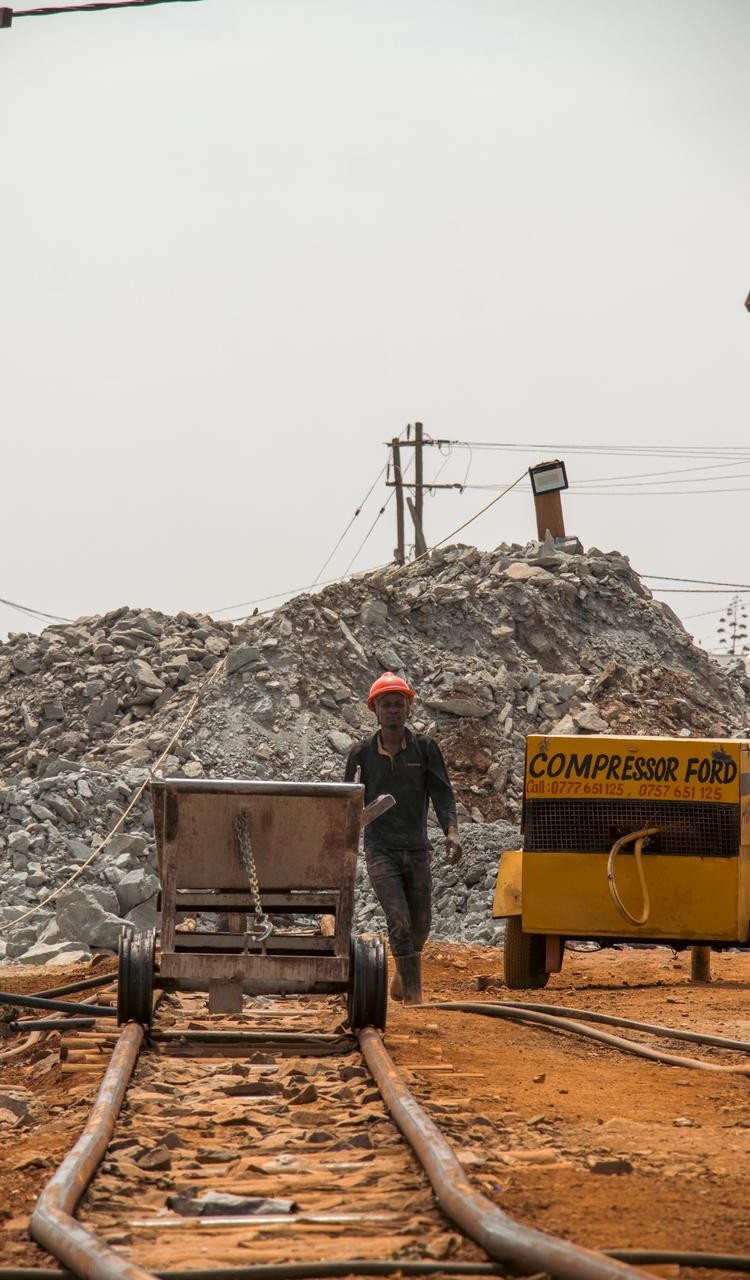
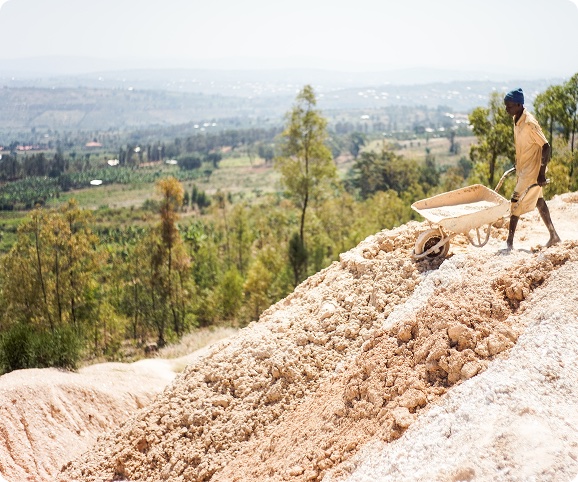
The Democratic Republic of Congo (DRC) is rich in minerals essential for the energy transition, yet its artisanal and small-scale mining (ASM) sector remains largely informal, facing challenges such as supply chain opacity, financial exclusion, and limited access to responsible markets. As a result, mining communities can't fully benefit from global demand for their materials. Meanwhile, buyers, financial institutions and development actors are unable to properly manage risk.
A major barrier to responsible sourcing and access to finance in the ASM sector is the lack of reliable, locally sourced information. Currently, KYC and supply chain assessments are solely based on periodic audits from external consultants, leading to ephemeral and incomplete insights.
Support local mining and trade operators on their compliance journey and improve their market access conditions
Facilitate access to banking services and legitimate forms of financing for artisanal and small-scale mining operators
Guide humanitarian and economic development interventions at the origin of critical value chains
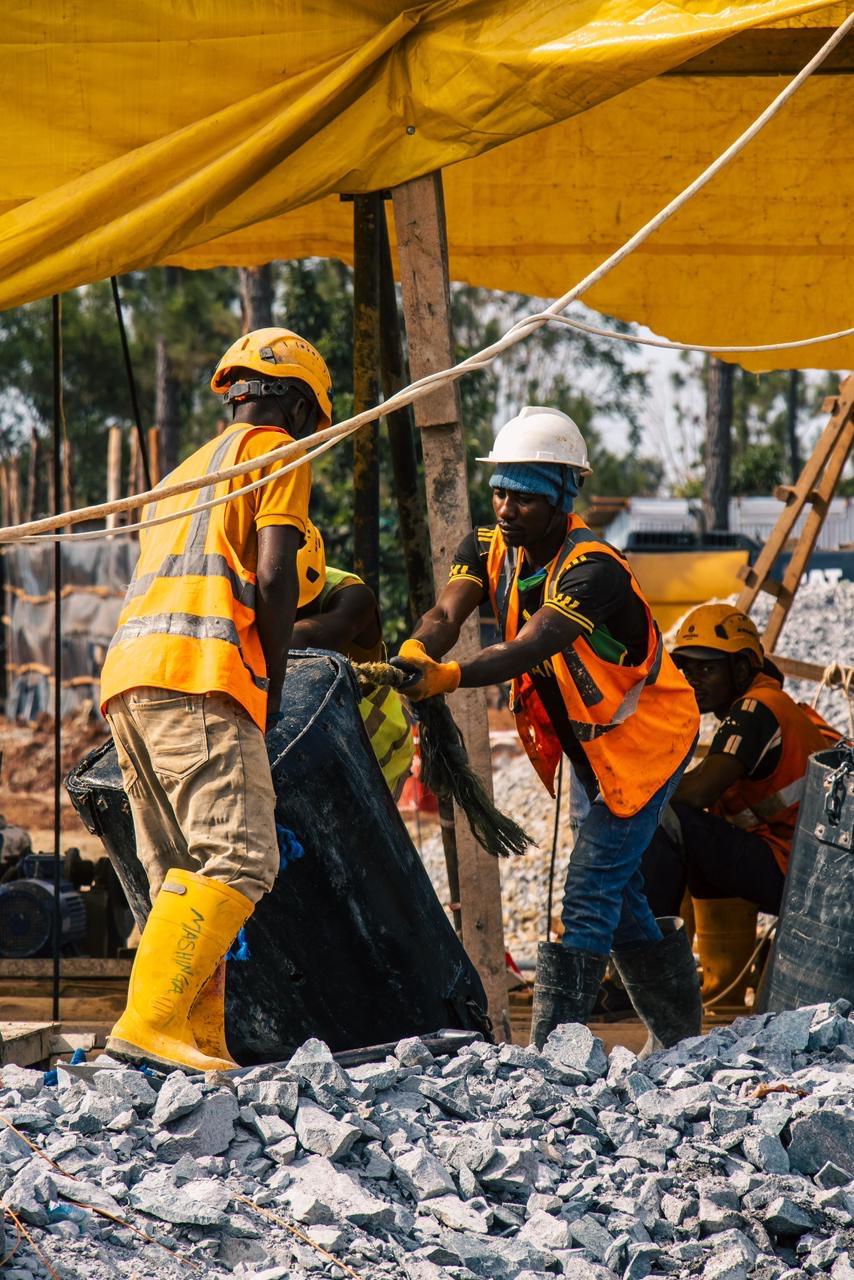
Civil society organisations document and analyse local socio-economic and environmental conditions, strengthening due diligence with community-driven insight.
ASM operators self-assess and share supply-chain compliance data with buyers and financial institutions, linking responsible sourcing to finance and market access.
Each organisation engages from where it stands in the value chain.
The European Partnership for Responsible Minerals is a pioneer sponsor of supply chain risk management innovation.
Trust Merchant Bank leverages the project to crowdsource KYC data from local stakeholders and provide access to banking services for mining operators and communities.
FCA coordinate efforts by the global cobalt sector to engage responsibly in DRC. Consolidated project information informs the design of their local interventions.
Umicore, which only procure materials from reputable large-scale mining operations, aim to leverage the project to get access to broader upstream information.
Hive develops and deploys information ecosystems to transform due diligence along critical value chains and promote a locally-led response to global challenges.
La Sentinelle des Ressources Naturelles (formerly OMGC) leads local coordination, disseminating system innovations, training stakeholders, and gathering feedback.
Partner profile →Access local insight, share feedback or support local actors promoting ethical mining practices.
The project runs on three fully interoperable applications: KOTA for KYC and incentives, Hatua for due diligence, and Nashiriki for independent civil-society observation. Nashiriki plays a key role in enriching the ecosystem: it consolidates KYC data from KOTA and due diligence insights from Hatua with independent observations from neutral actors, providing a unique level of data reliability.
Select any node to walk the ecosystem
Because every app shares one core, a bank running KYC in KOTA can cross-reference the same operator against civil-society observations from Nashiriki and due diligence already filed in Hatua, reaching a reliability no single source achieves alone. Each actor still controls what it shares.


